By Jerry Parker March 27, 2026
Boutique retail in Nashville continues to grow as shoppers look for unique fashion, personalized service, and curated shopping experiences. However, while product selection attracts customers, the checkout experience often determines whether they return. A slow or confusing checkout process can undo an otherwise excellent shopping experience.
Today’s customers expect fast, flexible, and convenient payment options. Many shoppers use multiple payment methods, such as combining a gift card with a credit card or splitting purchases across cards. At the same time, customers expect simple return processes that do not require long wait times or complicated explanations.
For boutique owners, this creates an operational challenge. Handling split tender payments, gift card transactions, and returns manually can slow down checkout lines and create frustration for both employees and customers. Without the right systems and processes, even small payment complications can create major delays.
The good news is that with the right boutique payment processing solutions, clear workflows, and proper staff training, boutiques can manage complex transactions smoothly. When done correctly, these processes can actually improve checkout speed instead of slowing it down.
This guide explains how Nashville boutiques can handle split tender payments in retail transactions, manage gift card payment processing efficiently, and streamline returns while maintaining a fast checkout experience.
Table of Contents
Why Fast and Flexible Checkout Matters More Than Ever
Customer expectations have changed significantly in recent years. Modern shoppers are used to fast online checkout experiences and expect the same convenience in physical stores. When checkout takes too long, customers may feel frustrated, even if they love the products.
Fast checkout improves customer satisfaction because it respects the shopper’s time. Flexible payment options also improve conversion rates because customers can pay the way they prefer. When boutiques support multiple payment methods, they remove barriers that could prevent purchases.
A modern boutique should be able to accept the following:
- Credit cards
- Debit cards
- Contactless payments
- Mobile wallets
- Gift cards
- Store credits
- Split payments
Retail checkout optimization is no longer optional. It is an important part of the customer experience strategy. Boutiques that invest in efficient checkout systems often see improved customer loyalty and stronger word-of-mouth referrals.
A well-designed checkout process also reduces employee stress. When transactions are simple and predictable, staff can focus more on customer service instead of troubleshooting payments.

Understanding Split Tender Payments and Why Boutiques Need Them
Split tender payments in retail transactions happen when customers use more than one payment method to complete a purchase. This has become increasingly common as shoppers use gift cards, store credits, and multiple cards.
For example, a customer may purchase a $150 item and pay
- $75 using a gift card
- $75 using a credit card
Without split payment capability, the store could lose the sale. Customers rarely want to abandon a gift card balance just because a store cannot process partial payments.
Boutiques that support split payments create a more customer-friendly experience while also protecting revenue opportunities.
Common Split Tender Payment Scenarios
Boutiques frequently encounter situations like the following:
- Customers combining gift cards with credit cards
- Customers splitting payments between two cards
- Customers using store credit with another payment type
- Customers combining cash and digital payments
- Customers using prepaid cards with traditional cards
Employees should be comfortable handling these scenarios. When staff know exactly what to do, transactions remain quick and professional.
Benefits of Supporting Split Tender Payments
Supporting split payments offers important advantages:
- Reduces abandoned purchases
- Improves customer satisfaction
- Encourages gift card usage
- Supports flexible spending habits
- Builds customer loyalty
From a revenue perspective, flexibility often leads to more completed sales. Customers appreciate stores that make payments easy instead of restrictive.
How Gift Cards Can Improve Sales Without Complicating Checkout
Gift cards are one of the most effective retail growth tools. They introduce new customers while increasing spending from existing ones. Many shoppers spend more than the value of their gift card, increasing total purchase amounts.
However, poor gift card integration can slow checkout. If staff must manually verify balances or use separate systems, transactions become inefficient.
Gift card payment processing should always be integrated directly into the POS system. This ensures balances update automatically, and transactions are processed quickly.
Best Practices for Gift Card Management
Boutiques should follow these practices to keep gift card transactions smooth:
- Use POS systems that track balances automatically
- Allow partial gift card usage
- Support split payments with gift cards
- Offer digital and physical gift cards
- Train staff on fast redemption procedures
Automation is critical. Manual processes always increase transaction time and error risk.
Common Gift Card Checkout Mistakes to Avoid
Boutiques sometimes create unnecessary delays by making avoidable mistakes.
Common problems include:
- Checking balances manually
- Using disconnected gift card systems
- Not training employees properly
- Creating complicated redemption policies
- Limiting how cards can be used
The simpler the process, the faster checkout becomes. Customers should never feel that using a gift card creates inconvenience.
Creating a Return Process That Does Not Slow Down Sales
Returns are part of retail reality. Even well-run boutiques must process returns regularly. The goal is not to eliminate returns but to handle them efficiently.
A poorly designed return process can disrupt checkout flow. When returns take too long, customers waiting to purchase may become frustrated.
Retail return management systems help boutiques process refunds quickly while maintaining transaction accuracy.
A clear return process should focus on speed, consistency, and transparency.
Smart Return Policies That Support Fast Checkout
Clear return policies reduce confusion and speed up transactions. Customers should understand return rules before purchasing.
Effective return policies usually include:
- Return time limits
- Receipt requirements
- Exchange options
- Store credit policies
- Refund methods
When customers understand policies, staff spend less time explaining procedures. This directly improves checkout efficiency.
Handling Returns From Split Tender Transactions
Returns involving multiple payment types require careful handling. If a purchase involved two payment methods, refunds typically must go back to those sources.
Modern POS systems for boutiques automatically track original payment methods. This allows accurate refund distribution without manual calculations.
Without this technology, employees may struggle to determine how much to refund to each payment type. Automation prevents these delays.
Best Practices for Return Processing
Boutiques can streamline return handling by following these practices:
- Use POS systems that record original payments
- Automate refund calculations
- Maintain consistent return workflows
- Train employees on refund procedures
- Offer store credit when appropriate
Consistency prevents confusion. When every employee follows the same process, transactions remain predictable and efficient.
Choosing the Right POS System for Boutique Payment Flexibility
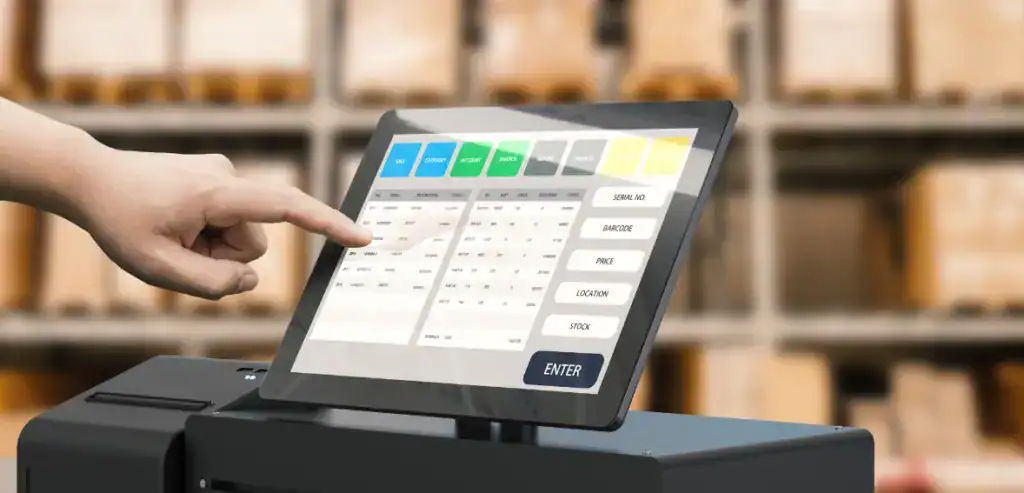
POS systems for boutiques must support the unique needs of specialty retail. Unlike large chain stores, boutiques rely heavily on customer relationships and personalized service.
A strong POS system should support the following:
- Split payments
- Gift card processing
- Inventory tracking
- Customer purchase history
- Fast refunds
- Sales reporting
The POS system should reduce complexity, not create it. The best systems make complicated transactions feel simple.
Features Boutiques Should Look for in Payment Systems
Not all payment systems offer the same capabilities. Boutique owners should evaluate features carefully before choosing providers.
Payment Processing Features
Important payment capabilities include:
- Multiple payment acceptance
- Contactless payment support
- Mobile wallet compatibility
- EMV chip card support
- Fast transaction authorization
These features ensure boutiques can support modern customer preferences.
Checkout Efficiency Features
Checkout speed depends heavily on system design.
Key efficiency features include the following:
- Simple checkout interfaces
- Barcode scanning
- Integrated gift cards
- Automatic tax calculation
- Digital receipt options
These tools eliminate unnecessary steps and reduce employee workload.
Return and Refund Features
Return management capabilities should include:
- Original payment tracking
- Partial refund capability
- Store credit processing
- Exchange workflows
- Transaction history access
These features ensure returns do not disrupt normal checkout operations.
Training Staff to Handle Complex Payments Smoothly
Technology alone cannot guarantee efficiency. Employees must understand how to use systems correctly.
Staff should receive training on payment processing for small retail environments. This training should focus on practical transaction handling rather than theory.
Training topics should include:
- Split payment processing
- Gift card redemption
- Return workflows
- Store credit issuance
- Payment error resolution
Well-trained staff create confident checkout experiences. Customers notice when employees handle transactions smoothly.

Staff Training Strategies That Improve Checkout Speed
Boutiques can improve payment efficiency through structured training approaches.
Creating Simple Payment Workflows
Boutiques should:
- Document checkout procedures
- Standardize transaction steps
- Reduce unnecessary decision-making
- Create consistent processes
Simple workflows reduce hesitation and errors.
Practicing Real Checkout Scenarios
Training should include practice situations such as the following:
- Split payment transactions
- Gift card purchases
- Complex returns
- Exchanges
Practice builds confidence and reduces mistakes.
Using Quick Reference Guides
Employees benefit from simple references such as the following:
- POS instruction sheets
- Payment workflow guides
- Return policy summaries
- Troubleshooting checklists
Quick references reduce uncertainty during busy hours.
How Merchant Service Providers Help Boutiques Improve Payment Operations
Merchant services for boutiques often include more than basic payment processing. The right provider can help optimize payment workflows and recommend technology improvements.
Merchant service providers typically assist with:
- Payment system setup
- POS integration
- Gift card program support
- Payment security compliance
- Technical support
- Reporting tools
Choosing the right provider helps boutiques avoid operational problems before they occur.
Payment Security and Compliance Considerations
Payment security is critical for customer trust. Customers expect their financial data to be protected during transactions.
Boutiques must use secure payment systems that follow industry standards. Payment processing systems should always be PCI compliant.
Security failures can damage customer trust and business reputation.
Payment Security Best Practices for Boutiques

Retailers should adopt strong security practices.
Data Protection Measures
Important protection measures include:
- PCI-compliant payment systems
- Encrypted transactions
- Tokenized card data
- Secure payment hardware
These tools protect sensitive information.
Operational Security Practices
Internal processes should include:
- Employee security awareness training
- Password protection policies
- Restricted POS access
- Fraud awareness education
Security is both technical and operational.
Customer Trust Practices
Customer trust improves when boutiques:
- Communicate security practices clearly
- Provide secure checkout environments
- Maintain transparent refund processes
Trust directly impacts customer retention.
How Checkout Optimization Improves Customer Experience
Checkout is the final interaction customers have before leaving the store. A smooth checkout creates a positive final impression.
Retail checkout optimization focuses on reducing friction while improving convenience.
Even small improvements can significantly impact customer perception.
Retail Checkout Optimization Strategies
Boutiques can improve checkout experiences through simple improvements.
Reducing Transaction Steps
Efficiency improves when boutiques:
- Use simplified checkout screens
- Reduce manual data entry
- Automate calculations
- Standardize procedures
Every removed step saves time.
Improving Payment Speed
Speed improves when boutiques
- Accept contactless payments
- Use modern terminals
- Enable tap-to-pay options
- Provide digital receipts
Customers value speed and convenience.
Improving Customer Communication
Communication also improves checkout experiences.
Boutiques should:
- Display return policies clearly
- Explain payment options
- Provide clear receipts
- Communicate refund timelines
Clear communication reduces disputes.
Using Technology to Prevent Checkout Bottlenecks
Technology helps boutiques eliminate delays caused by manual processes. Integrated systems prevent duplicate work.
Boutiques should consider the following:
- Cloud POS platforms
- Mobile checkout devices
- Inventory integration tools
- Customer management software
Technology should simplify operations rather than complicate them.
Technology Tools That Improve Boutique Checkout
Retail technology should support efficiency across operations.
Smart POS Platforms
Modern POS platforms may include the following:
- Cloud-based systems
- Tablet POS devices
- Mobile checkout capability
- Remote reporting access
Mobility increases flexibility.
Inventory Integration Tools
Inventory tools should include:
- Real-time inventory tracking
- Automatic stock updates
- Return inventory adjustments
- Product performance reporting
Integration prevents inventory errors.
Customer Experience Tools
Customer experience tools may include:
- Loyalty programs
- Customer profiles
- Purchase history tracking
- Personalized promotions
These tools improve long-term customer relationships.
Preparing Your Boutique for Future Payment Trends
Retail payment technology continues evolving. Boutiques should stay aware of emerging trends to remain competitive.
Customers increasingly expect the following:
- Mobile payments
- Digital gift cards
- Contactless checkout
- Flexible refunds
- Unified online and store payments
Early adoption often creates competitive advantages.
Future Retail Payment Trends Boutiques Should Watch
Retailers should monitor important developments.
Digital Payment Growth
Growth areas include:
- Mobile wallets
- Contactless transactions
- Integrated e-commerce payments
Digital payments continue expanding.
Customer Experience Improvements
Future improvements may include:
- Personalized checkout experiences
- Faster POS systems
- Loyalty integrations
Customer experience remains the priority.
Automation and AI Tools
Automation may support:
- Fraud detection
- Sales forecasting
- Payment analytics
- Customer behavior insights
Automation reduces manual work.
Building a Payment Strategy That Supports Boutique Growth
Payment systems should support boutique growth rather than limit it. Boutique owners should regularly evaluate whether payment processes remain effective.
Key evaluation questions include:
- Does checkout move quickly?
- Can staff handle split payments easily?
- Are returns simple to process?
- Do customers have flexible payment options?
- Does technology reduce workload?
Continuous improvement keeps operations efficient.
Steps to Improve Boutique Payment Operations
Boutiques can strengthen payment operations through structured improvements.
Evaluating Current Checkout Performance
Boutiques should:
- Measure transaction times
- Review customer feedback
- Identify delay points
- Observe employee workflows
Measurement helps identify improvement areas.
Upgrading Payment Technology
Technology improvements may include:
- Modern POS systems
- Integrated gift card platforms
- Mobile payment acceptance
- Automated reporting tools
Upgrades often deliver immediate efficiency gains.
Improving Employee Processes
Operational improvements may include:
- Regular payment training
- Standardized return workflows
- Customer service coaching
- Check out efficiency goals
Employee performance directly impacts checkout speed.
Conclusion
Nashville boutiques operate in a competitive environment where customer experience determines long-term success. While unique products bring customers into stores, efficient checkout experiences keep them coming back.
By supporting split tender payments in retail transactions, improving gift card payment processing, and simplifying return workflows, boutiques can maintain fast checkout speeds while supporting customer flexibility.
The right boutique payment processing solutions combine technology, employee training, and clear policies. When these elements work together, boutiques reduce checkout friction, improve efficiency, and strengthen customer loyalty.
Boutiques that treat payment operations as part of their growth strategy often see stronger revenue performance and better customer retention. Fast and flexible checkout is not just about operational efficiency. It is a competitive advantage.
FAQs
What is a split tender payment in retail?
A split tender payment is when a customer uses multiple payment methods to complete one purchase. For example, a customer may use a gift card and a credit card to pay for the same transaction.
Can boutiques process refunds for split payments?
Yes. Modern POS systems automatically return funds to the original payment methods. This ensures accuracy and simplifies accounting.
Do gift cards slow checkout transactions?
No. When gift cards are properly integrated into POS systems, they process quickly and do not slow transactions.
What should boutiques look for in payment systems?
Boutiques should look for systems that support flexible payments, fast checkout workflows, gift card integration, return management tools, and strong reporting capabilities.
How can boutiques make checkout faster?
Boutiques can improve checkout speed by using modern POS systems, training employees regularly, simplifying return policies, supporting flexible payments, and automating transaction processes.